
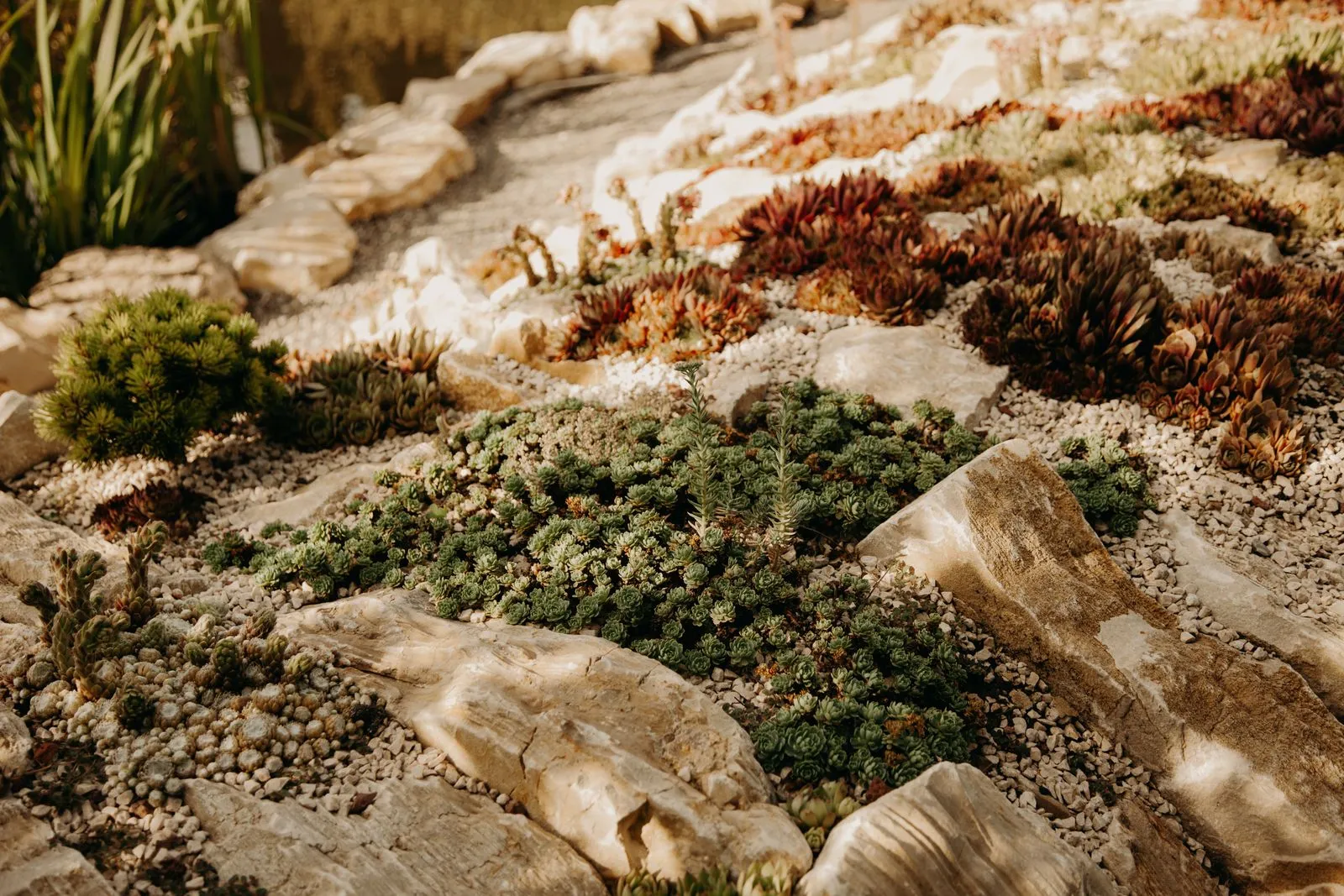
Choosing drought-tolerant plants is not just about picking species that can survive dry weather. The best choices also suit the light, soil, wind, and space in your particular Newcastle garden. A plant that thrives in a sunny coastal bed may struggle in a shaded courtyard or heavy soil. Start by observing your site, then compare plant types and care needs. This approach helps you build a garden that looks good and needs less watering once established.
Read Your Garden’s Conditions
Track sunlight before choosing plants. Note which areas get direct sun in the morning or afternoon, and which stay shaded. Full-sun plants generally need several hours of direct light; shade-tolerant choices suit spots under trees or beside buildings. Remember that reflected heat from paving and walls can make a sunny bed hotter and drier than an open lawn.
Check soil after rain and during a dry spell. Does water soak in, pool on the surface, or drain away quickly? Heavy clay can stay wet around roots, while sandy soil may dry out fast. Add organic matter where appropriate, but avoid assuming every bed needs the same treatment. A simple soil test can help you understand pH and nutrient levels before planting.
Compare Plant Types
Local native plants are often a useful starting point because many suit regional conditions and support local wildlife. Consider shrubs for screening, groundcovers to cover bare soil, and grasses or strappy-leaved plants for texture. Choose species for the actual site rather than relying on a broad label such as “native” or “drought tolerant.” Check mature height and spread so plants have room to grow.
Mediterranean-style plants, succulents, and other water-wise ornamentals can also work, especially in sunny, well-drained areas. They offer different forms and flowering seasons, but some may need protection from strong winds, frost, or waterlogged soil. Mix plant types only when their growing needs are compatible. Grouping plants with similar water and light requirements makes care simpler.
Account for Wind and Exposure
Coastal and elevated gardens can face drying winds, salt spray, and strong sun. Look for plants suited to exposed conditions, and use tougher shrubs or screening to shelter more delicate choices. Check the specific plant’s tolerance rather than assuming a species will handle salt or wind because it grows nearby. A sheltered courtyard and an open coastal block can have very different conditions.
Think about heat from nearby surfaces, too. Stone, concrete, and dark paving can raise temperatures around roots and leaves. Mulch helps reduce moisture loss and keeps soil temperatures steadier; leave a small gap around stems to reduce the risk of rot. If a bed is especially exposed, consider whether a different planting position or a small windbreak would improve growing conditions.
Match Plants to Your Routine
Drought tolerant does not mean no care. New plants need regular watering while their roots establish, and all gardens benefit from occasional checks for pests, weeds, and damaged growth. If you want low upkeep, favor durable plants with modest pruning needs and avoid species that spread beyond their space. Ask how large each plant gets and how often it needs trimming before you buy.
Group plants by water needs and set up watering so it reaches the root zone rather than wetting leaves or nearby paving. A drip line or soaker hose can make targeted watering easier. Use mulch to slow evaporation, and adjust watering after rainfall instead of following a fixed schedule. Keep notes through the first growing season to see which areas dry quickly and where plants need more support.
Choose plants by matching their needs to your garden’s real conditions, then group them by water and care requirements. Start with a small area if you are unsure, and observe how it performs through changing weather. Newcastle Waterwise Gardens can help you plan a planting scheme suited to your site and routine.